
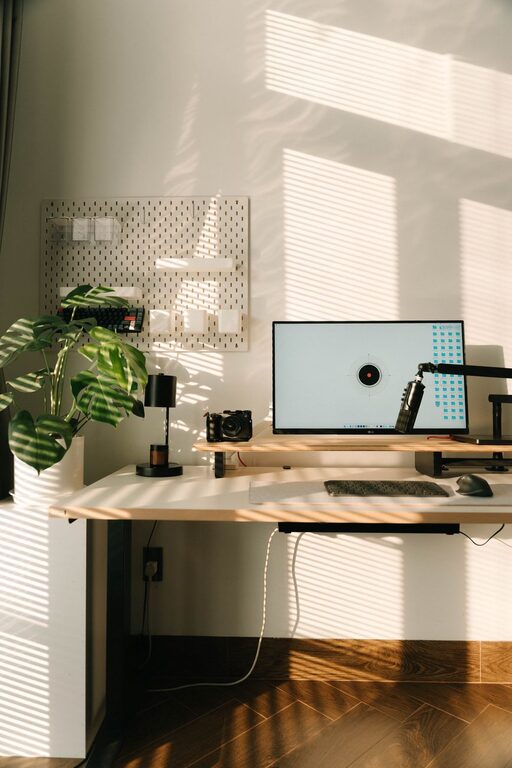
Creating a productive home office environment is essential for anyone working remotely or managing tasks from home. A well-designed workspace can enhance focus, reduce distractions, and promote efficiency throughout your workday. Whether you have a dedicated room or a small corner, these tips will help you build a home office that supports your productivity and well-being.
Choose the Right Location
Finding the optimal spot for your home office is the first step toward productivity.
– Quiet and Private: Select an area with minimal noise and foot traffic to reduce interruptions.
– Natural Light: Position your desk near a window when possible. Natural light boosts mood and reduces eye strain.
– Comfortable Temperature: Ensure the space can stay warm in winter and cool in summer for comfort during long hours.
If space is limited, choose a corner or unused nook and personalize it to create a clear boundary between work and home life.
Invest in Ergonomic Furniture
Comfort and proper posture are vital for long work sessions.
– Ergonomic Chair: Use a chair with adjustable height, lumbar support, and comfortable cushioning.
– Desk Height: Your desk should allow your elbows to rest at a 90-degree angle to avoid strain.
– Monitor Position: The top of your screen should be at or slightly below eye level to prevent neck pain.
Ergonomic accessories like keyboard trays, footrests, or standing desks can further improve comfort and reduce fatigue.
Organize Your Workspace
A clutter-free environment helps maintain focus and efficiency.
– Declutter Regularly: Keep only essential items on your desk.
– Storage Solutions: Use shelves, drawers, or organizers to store supplies and documents.
– Cable Management: Use clips or ties to keep cords tidy and out of the way.
Organizing your space also means having a system for digital files and emails to reduce mental overload.
Optimize Lighting
Good lighting reduces eye strain and improves alertness.
– Layered Lighting: Combine ambient light with task lighting such as a desk lamp.
– Avoid Glare: Place your monitor perpendicular to windows and use blinds or curtains to control sunlight.
– Adjustable Lighting: Use lamps with adjustable brightness for different times of day and tasks.
Consider using bulbs with a natural or daylight color temperature for a more energizing atmosphere.
Minimize Distractions
Reducing distractions will help you maintain your concentration.
– Set Boundaries: Inform family or housemates of your working hours.
– Noise Control: Use noise-canceling headphones or play white noise to block out background sounds.
– Limit Phone Use: Keep your phone on silent or in another room unless needed for work.
Creating routines and designated breaks helps to manage distractions and keeps you on track.
Personalize Your Space
Adding personal touches makes your home office inviting and motivating.
– Plants: Indoor plants can improve air quality and add a calming presence.
– Inspirational Items: Use artwork, quotes, or vision boards that inspire you.
– Comfort Items: Keep a cozy blanket or cushioned mat nearby for added comfort.
Personalization helps you feel connected to your workspace, making it easier to focus.
Maintain a Healthy Work Routine
Your environment is only one part of productivity; your habits matter too.
– Regular Breaks: Use techniques like the Pomodoro method to work in focused intervals followed by short rests.
– Stay Hydrated: Keep a water bottle on your desk.
– Move Often: Stretch or walk around to reduce stiffness and improve circulation.
Balancing work and rest helps sustain productivity and prevents burnout.
Use Technology Wisely
Leverage digital tools to enhance your workflow.
– Reliable Internet: A strong connection is essential for virtual meetings and research.
– Productivity Apps: Use calendars, to-do lists, and project management software to stay organized.
– Backup Solutions: Regularly back up important files to the cloud or external drives.
Investing time in setting up your technology can save frustration later.
—
By applying these tips, you can create a home office environment that supports your productivity, health, and work-life balance. Remember, the best workspace is one tailored to your needs and preferences, helping you stay motivated and efficient every day.