
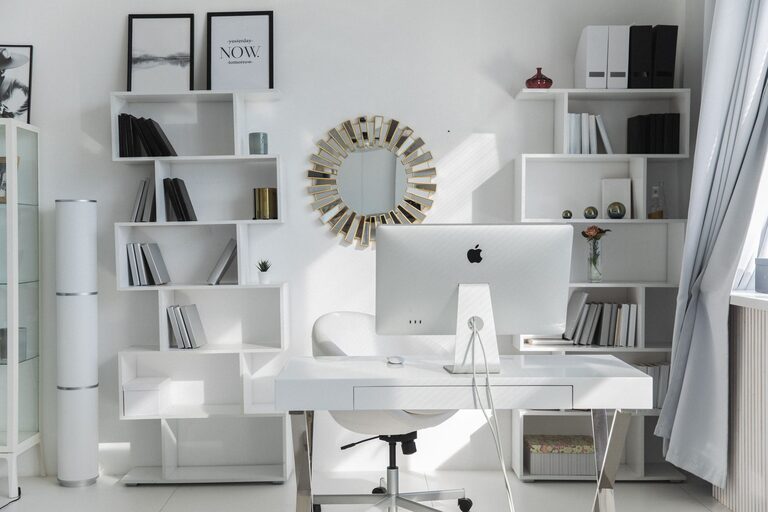
Creating a productive home office environment is essential for anyone working remotely or managing tasks from home. The right setup can improve focus, reduce stress, and maintain a healthy work-life balance. Whether you’re new to working from home or seeking ways to enhance your current space, these practical tips will help you design a workspace that supports your productivity and well-being.
Choose the Right Location
Finding the best spot for your home office sets the foundation for productivity.
Quiet and Low-Traffic Areas
Select a quiet corner or room where you won’t be disturbed by household noise or foot traffic. This helps minimize distractions and allows you to concentrate fully.
Natural Light Matters
Whenever possible, position your desk near a window. Natural light improves mood, reduces eye strain, and helps regulate your body clock, making you feel more alert.
Separate from Relaxation Zones
Try to keep your office space distinct from areas associated with relaxation like bedrooms or living rooms. This separation helps your brain switch between work and personal time effectively.
Invest in Comfortable, Ergonomic Furniture
Comfort is key for sustained productivity and preventing physical discomfort.
Ergonomic Chair
Choose an adjustable chair that supports your lower back and encourages good posture. A comfortable chair reduces fatigue and the risk of back pain.
Suitable Desk Height
Your desk should allow your wrists to remain flat when typing and your elbows to bend at a 90-degree angle. Adjustable desks or keyboard trays can help optimize your setup.
Monitor Position
Ensure your computer monitor is at eye level and about an arm’s length away. This reduces neck strain and keeps your head in a neutral position.
Organize Efficiently
An organized workspace removes distractions and helps you stay on track.
Declutter Regularly
Keep only essential items on your desk. Store other supplies in drawers or shelves to maintain a tidy environment.
Use Storage Solutions
Invest in organizers, filing cabinets, or shelves to keep papers and gadgets neatly stored. Labeling boxes and folders saves time when searching for documents.
Manage Cables
Tangled cords can be distracting and hazardous. Use cable clips or sleeves to keep wires out of the way and maintain a clean look.
Optimize Lighting
Proper lighting reduces eye strain and improves focus.
Combine Natural and Artificial Lighting
Use a blend of daylight and task lighting. Desk lamps with adjustable brightness and color temperature can help during darker hours.
Avoid Glare
Position your screen to avoid reflections from windows or overhead lights. Anti-glare screen protectors can be a useful addition.
Establish a Routine and Boundaries
Creating clear work patterns supports productivity and mental well-being.
Design a Schedule
Set regular work hours and break times. Having a routine signals your brain to switch into work mode and helps prevent burnout.
Use a Dedicated Work Attire
Dressing for work—even at home—can boost motivation and focus.
Communicate Boundaries
Inform household members of your work hours to minimize interruptions. Use visual cues like closed doors or “do not disturb” signs.
Incorporate Personal Touches
Adding personal elements makes your home office inviting and inspiring.
Plants and Greenery
Indoor plants improve air quality and create a calm atmosphere, which can increase productivity.
Art and Decor
Choose artwork or items that motivate you without cluttering the space. A visually pleasing environment can improve your mood throughout the day.
Comfortable Temperature and Airflow
Ensure your room is well-ventilated and maintained at a comfortable temperature. Fresh air helps maintain focus and energy.
Utilize Technology Wisely
Leverage tools and devices that streamline your work.
Reliable Internet Connection
A strong internet connection is crucial for video calls and online collaboration. Consider a wired connection or upgrading your router if needed.
Noise-Canceling Headphones
If you work in a noisy environment, these headphones can help block out distractions.
Productivity Apps
Use apps for time management, task lists, and communication to keep your work organized and efficient.
Take Regular Breaks
Short breaks throughout the day help maintain concentration and reduce fatigue.
Follow the 20-20-20 Rule
Every 20 minutes, look at something 20 feet away for 20 seconds to reduce eye strain.
Stretch and Move
Stand up, stretch, or take a brief walk every hour to improve circulation and mental clarity.
—
Creating a productive home office environment is about balance—combining comfort, organization, and boundaries to support your work habits. By thoughtfully designing your workspace and daily routine, you can increase efficiency and enjoy a healthier, more satisfying work-from-home experience.